
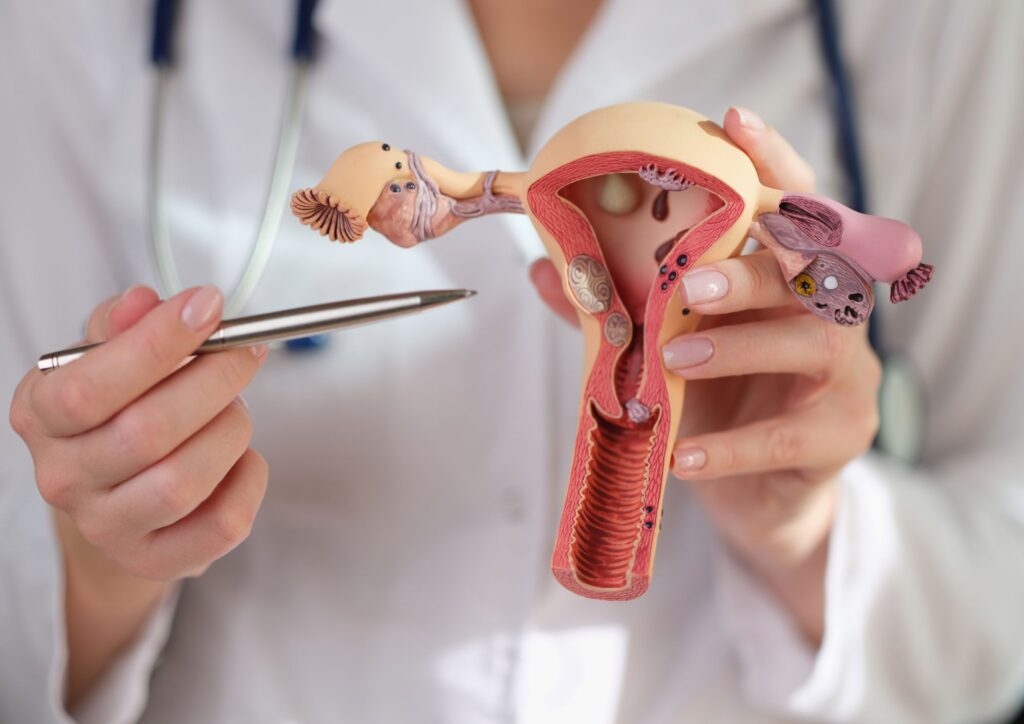

Bartholinitis is a condition affecting the Bartholin’s glands, located on both sides of the vaginal opening. These glands produce a fluid that lubricates the vagina, but if they block, they can inflame and form a cyst or abscess. This situation can occur at any time in a woman’s life, but Bartholinitis during breastfeeding always raises many questions.
Therefore, it is important to address it appropriately with the aim of ensuring the well-being of both the mother and the baby.
The main causes of Bartholinitis include:
- Bacterial infections, such as E. coli or staphylococci.
- Sexually transmitted diseases, such as chlamydia or gonorrhea.
- Gland obstruction due to irritation or trauma.
Treatment of Bartholinitis during breastfeeding:
The treatment of Bartholinitis during breastfeeding should be supervised by a doctor. Some options include:
- Antibiotics if the cause is bacterial. It is essential to inform the doctor that you are breastfeeding to ensure that the medications are safe for the baby.
- Drainage. If an abscess forms, draining it may be necessary. This procedure is performed under local anesthesia.
- Sitz baths: Immersing the affected area in warm water several times a day can help alleviate pain and inflammation.
Considerations for Bartholinitis during breastfeeding:
Considerations during breastfeeding if you are being treated for Bartholinitis while breastfeeding:
- Make sure that any medication you take is safe for breastfeeding.
- Continue breastfeeding unless the doctor advises otherwise. Breastfeeding is not affected by this condition.
- If you experience pain or discomfort, consult a doctor or lactation specialist for guidance and support.
Bartholinitis during breastfeeding can be a painful and stressful experience. However, with proper treatment and medical care, it is a manageable condition that should not interfere with your ability to breastfeed your baby. Always consult a doctor for any symptoms or concerns.